CASE STUDY · Museum Installation · Unreal Engine
Warsaw's Past Revealed
A permanent immersive museum installation in Warsaw: three rooms with large 'windows' onto the city before, during and after World War II, rendered in real time in Unreal Engine 5.7 by BloodNexus.
- Client
- Museum in Warsaw, Poland
- Format
- Permanent 3-room installation, large-format screens
- Engine
- Unreal Engine 5.7 — Nanite · Lumen · Niagara
- Announced
- May 2026
- Our role
- Environment art, lighting, real-time build
The brief
Visitors walk through three rooms. In each, a framed window built into the wall looks out onto Warsaw in a different era: the busy pre-war city, the occupation and its destruction, and the post-war rebuilding.
We rebuilt the streets, buildings, cafés and trams as photoreal real-time environments, working from research provided with historians, curators and archive specialists.
Challenges we solved
Historically accurate
Facades, street layouts and materials follow archival references, reviewed with the museum's historians and curators.
Holds up at arm's length
Visitors stand right at the windows, so textures and materials are built for close inspection — dense Nanite geometry with Lumen global illumination.
Mood in every era
Warm light and movement for the pre-war city; a quieter, tense atmosphere for wartime; Niagara weather, dust and smoke tie each room together.
Respectful storytelling
The wartime room balances accuracy with emotional sensitivity for a public museum audience.
What we built
- Pre-war, wartime and post-war Warsaw
- Photoreal real-time environments
- Nanite geometry & Lumen lighting
- Niagara weather, dust and smoke
- Built into the physical gallery space
- Runs continuously as a permanent exhibit
Results
- Part of the museum's permanent exhibition programme
- Designed to engage younger audiences and school groups
Developed by BloodNexus Studio as development partner to NipsApp Game Studios.
Have a project like this?
Start a ProjectMORE CASE STUDIES
Keep Exploring

A skill-only, turn-based multiplayer strategy board game for Steam and iOS — built end to end by BloodNexus in Unity, from the rules engine to store launch.
Read the case study →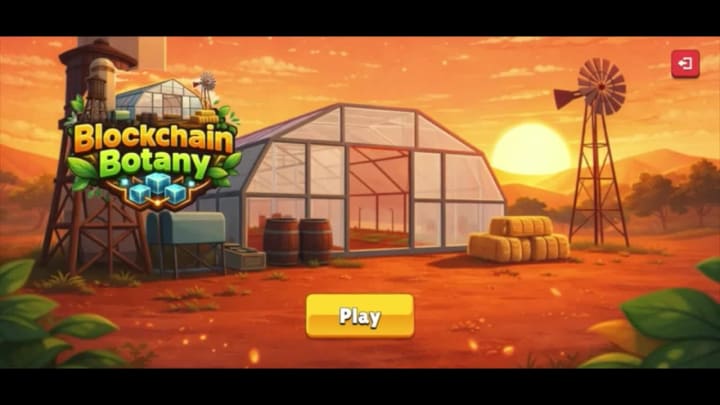
A casual gardening game that teaches blockchain concepts to students and crypto newcomers — a playable MVP for web, iOS and Android built by BloodNexus in Unity.
Read the case study →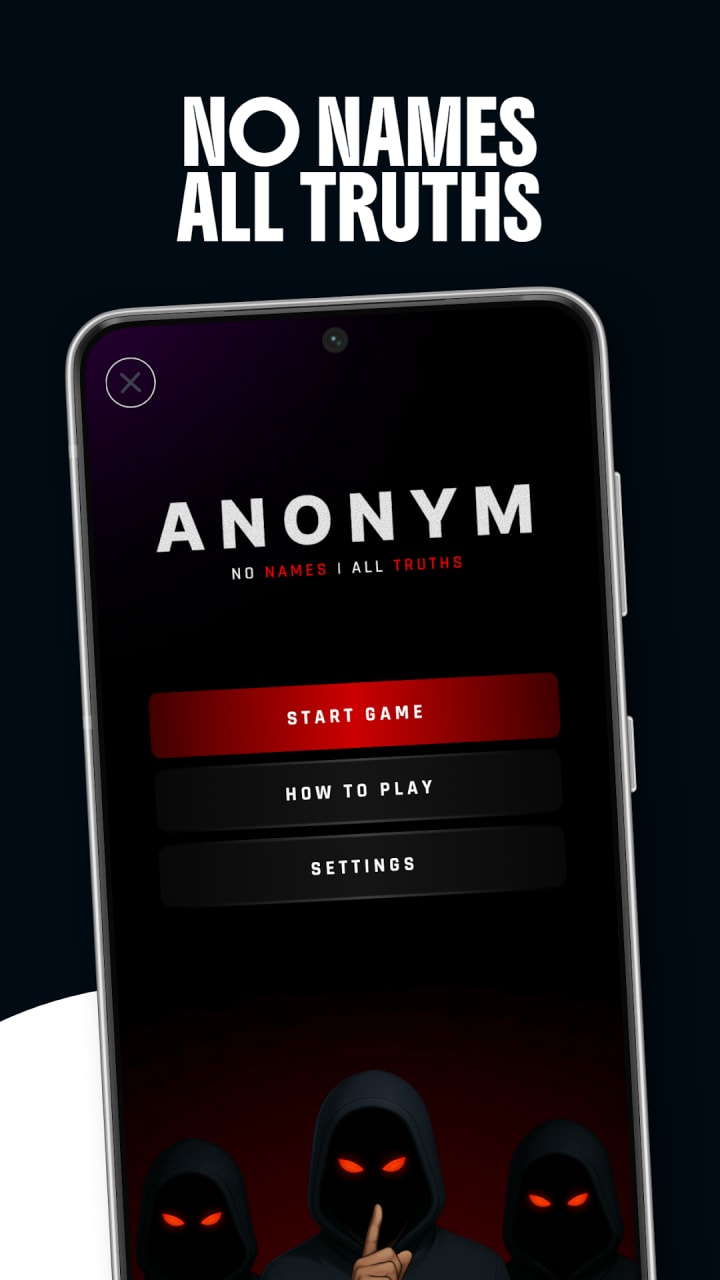
ANONYM: Yes or No — a secret-voting party game for iOS and Android. Built end to end by BloodNexus for Cozy Bear Studios and live on both stores.
Read the case study →